







In freight forwarding, proactive preparation is the foundation of efficiency. From containerised shipments to complex over-dimensional cargo, every movement benefits from structured cargo planning.
This approach helps avoid delays, unexpected costs, and compliance issues while ensuring smoother end-to-end logistics performance.
1. Why Advanced Cargo Planning is Important
The Importance of Cargo Planning goes beyond avoiding logistical errors. It directly impacts timelines, costs, customer satisfaction, and supply chain resilience. Without early preparation, businesses risk higher costs, missed opportunities, and reputation damage due to delays or non-compliance.
Companies that practice advanced cargo planning can confidently navigate market fluctuations, space shortages, and regulatory complexities.
Benefits of Early Planning
Benefit | Impact on Business |
Lower Costs | Optimised carrier selection and rates |
Fewer Delays | Smoother customs clearance and transit |
Better Visibility | Real-time updates through digital platforms |
Improved Compliance | Accurate documentation and adherence to laws |
2. Key Areas That Impact Cargo Planning
Understand Your Cargo from Day One
The nature, size, and sensitivity of cargo directly influence decisions around packing, routing, and carriers. Early evaluation streamlines the cargo management process.
Select the Right Freight Partner
Not all freight forwarders handle complex cargo equally. Companies like Sarjak Container Lines offer expertise that simplifies complex movements and enhances cargo planning.
Also Read: Top 6 Tips for Choosing the Right Freight Forwarding Partner
Prepare Comprehensive Documentation
Documentation affects every stage of freight forwarding. Accuracy in this area prevents customs delays and fines, making it an essential part of advanced cargo planning.
3. Understanding the Types of Cargo
Recognising the different types of cargo ensures appropriate handling and compliance. Each type requires tailored solutions in packaging, transportation, and documentation.
Common Types of Cargo and Their Considerations
Type of Cargo | Considerations |
General Cargo | Standard packing and routing |
Perishables | Time and temperature-sensitive logistics |
Hazardous Materials | Regulatory and safety compliance |
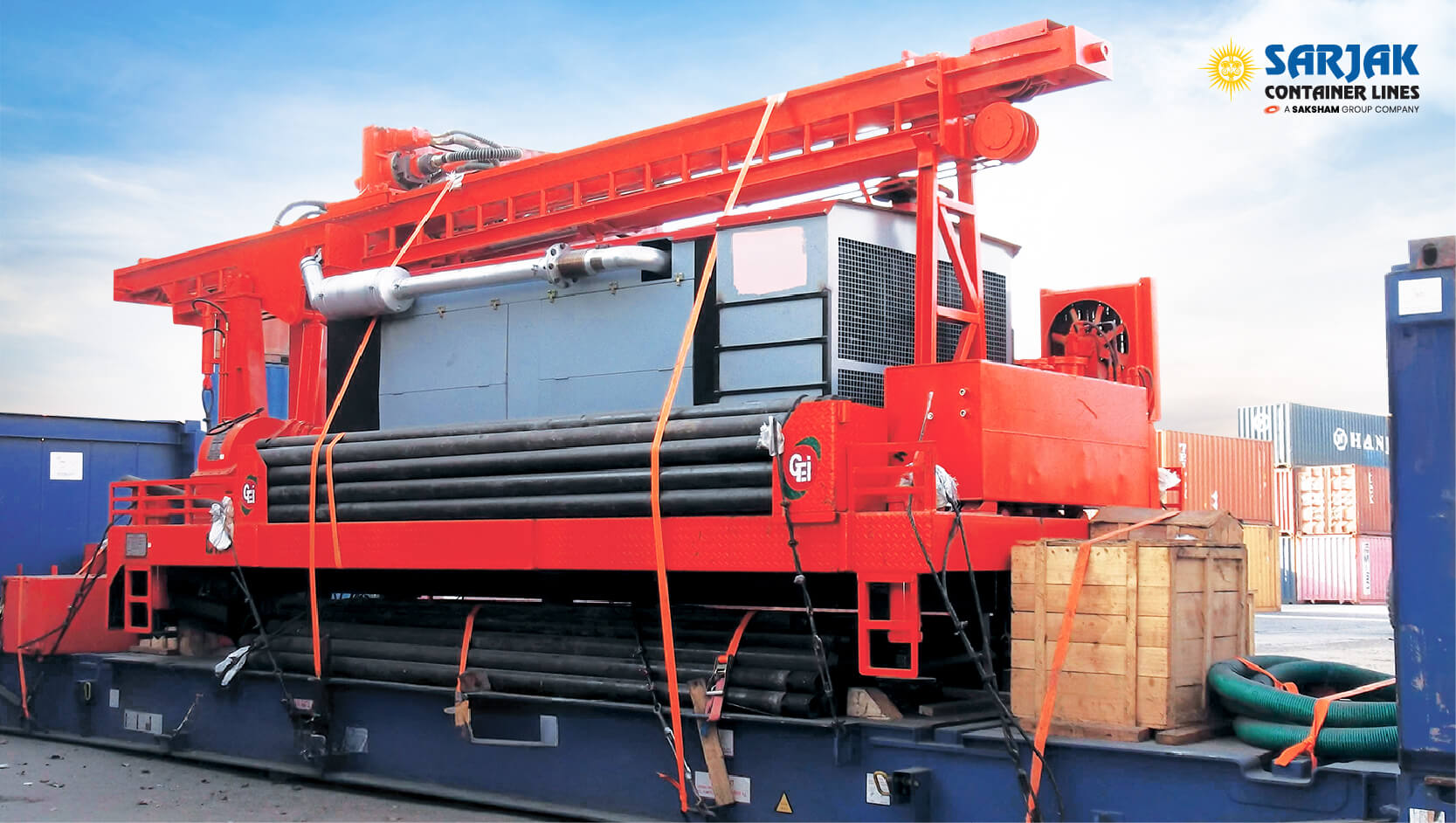
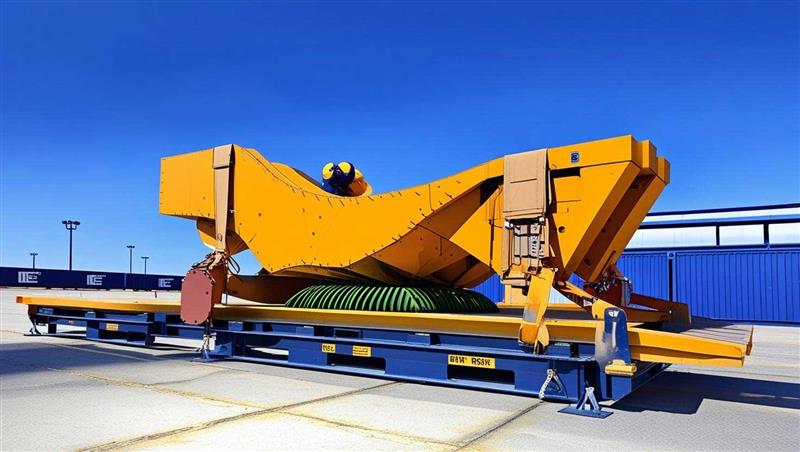
Over-Dimensional | Special equipment, permits, route checks |
High-Value Cargo | Enhanced security and insurance |
Failing to categorise correctly can lead to compliance issues and operational inefficiencies. Proper identification supports smoother cargo management throughout the shipment lifecycle.
4. How Sarjak Container Lines Supports Advanced Cargo Planning
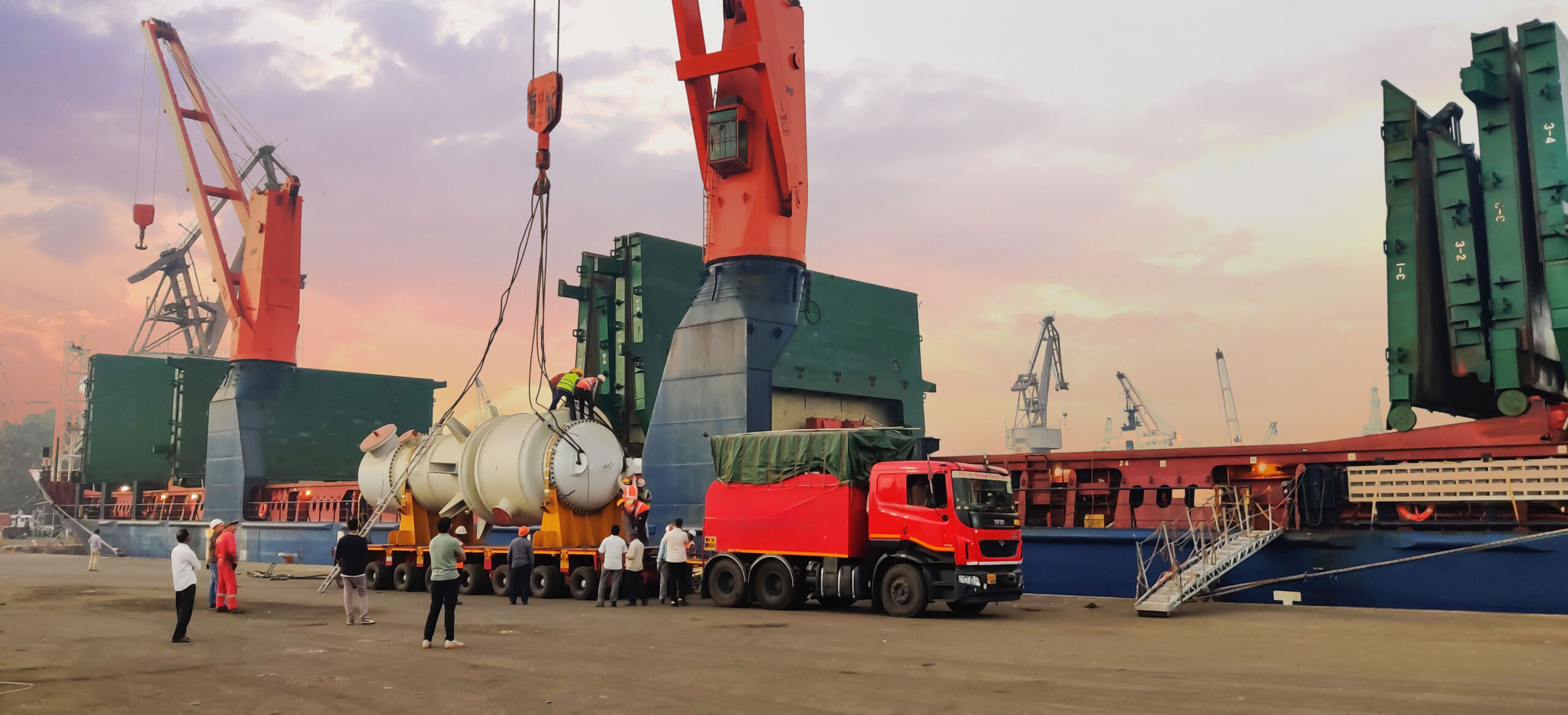
Sarjak Container Lines offers unmatched expertise in handling complex shipments through specialised equipment and global networks. This support helps businesses strengthen their cargo planning processes and ensures seamless coordination across ports, customs, and inland movements.
With a proven track record in managing ODC and specialised freight, Sarjak Container Lines contributes significantly to cargo management success through innovation, technology, and industry knowledge.
Their focus on advanced cargo planning reduces operational risks and ensures businesses meet delivery expectations confidently, no matter the complexity of the cargo.
Summary of Key Takeaways
When done well, cargo planning delivers long-term advantages in cost control, risk management, and service quality.
Focus Area | Why It Matters |
Cargo Planning | Reduces costs and operational risks |
Cargo Management | Enhances efficiency and compliance |
Importance of Cargo Planning | Drives better timelines and visibility |
Advanced Cargo Planning | Supports resilience in complex scenarios |
Types of Cargo | Ensures tailored handling and solutions |
Partnering with experienced providers like Sarjak Container Lines makes it easier to achieve these outcomes.