Think of vessels as giant floating warehouses, each with a unique shape, layout, and purpose. Whether you’re shipping smartphones or steel coils, understanding how cargo is arranged inside a ship helps you maximise efficiency and cost-effectiveness.
This guide helps you break down the types of vessels, the spaces inside them, and how logistics experts plan what goes where.
Different types of vessels and their uses
There are many types of vessels in commercial shipping, and each is designed for a specific kind of cargo. Here’s a quick look:
| Vessel Type | Primary Use | Example Cargo |
| Container Ship | Modular container transport | Electronics, clothing |
| Bulk Carrier | Loose, unpackaged dry goods | Coal, grain, ores |
| Tanker | Liquid cargo in bulk | Crude oil, chemicals |
| Reefer Ship | Temperature-controlled cargo | Fruits, vaccinest |
| Ro-Ro (Roll-on/Roll-off) | Wheeled cargo | Cars, trailers |
| General Cargo Ship | Breakbulk or mixed cargo | Timber, machinery |
Each of these types of vessels is designed with cargo space that matches its mission, from stacked bays to sealed tanks.
Key cargo vessel types
Let’s go deeper into the different cargo vessel types and what makes them special:
- Dry bulk carriers have large box-like holds, often with top hatches for gravity-assisted loading.
- Liquid tankers contain large cylindrical tanks with complex pump and valve systems.
- Reefer vessels are essentially giant refrigerators, keeping goods at controlled temperatures throughout the voyage.
- Ro-Ro ships have built-in ramps and decks so vehicles can drive in and out easily.
Each cargo vessel type is engineered to solve a logistics challenge, whether that’s maintaining freshness or preventing chemical leaks.
Popular types of container ships
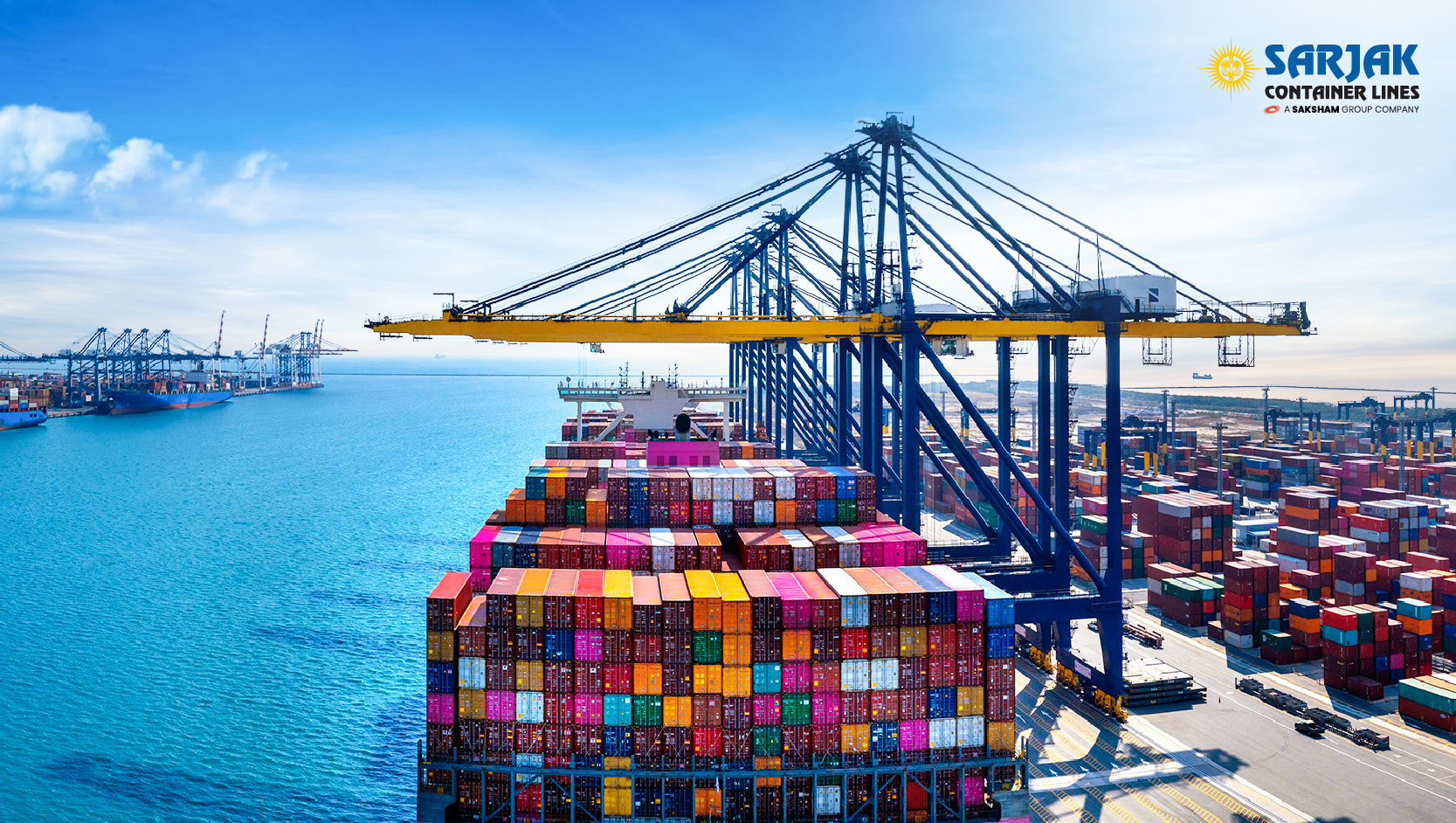
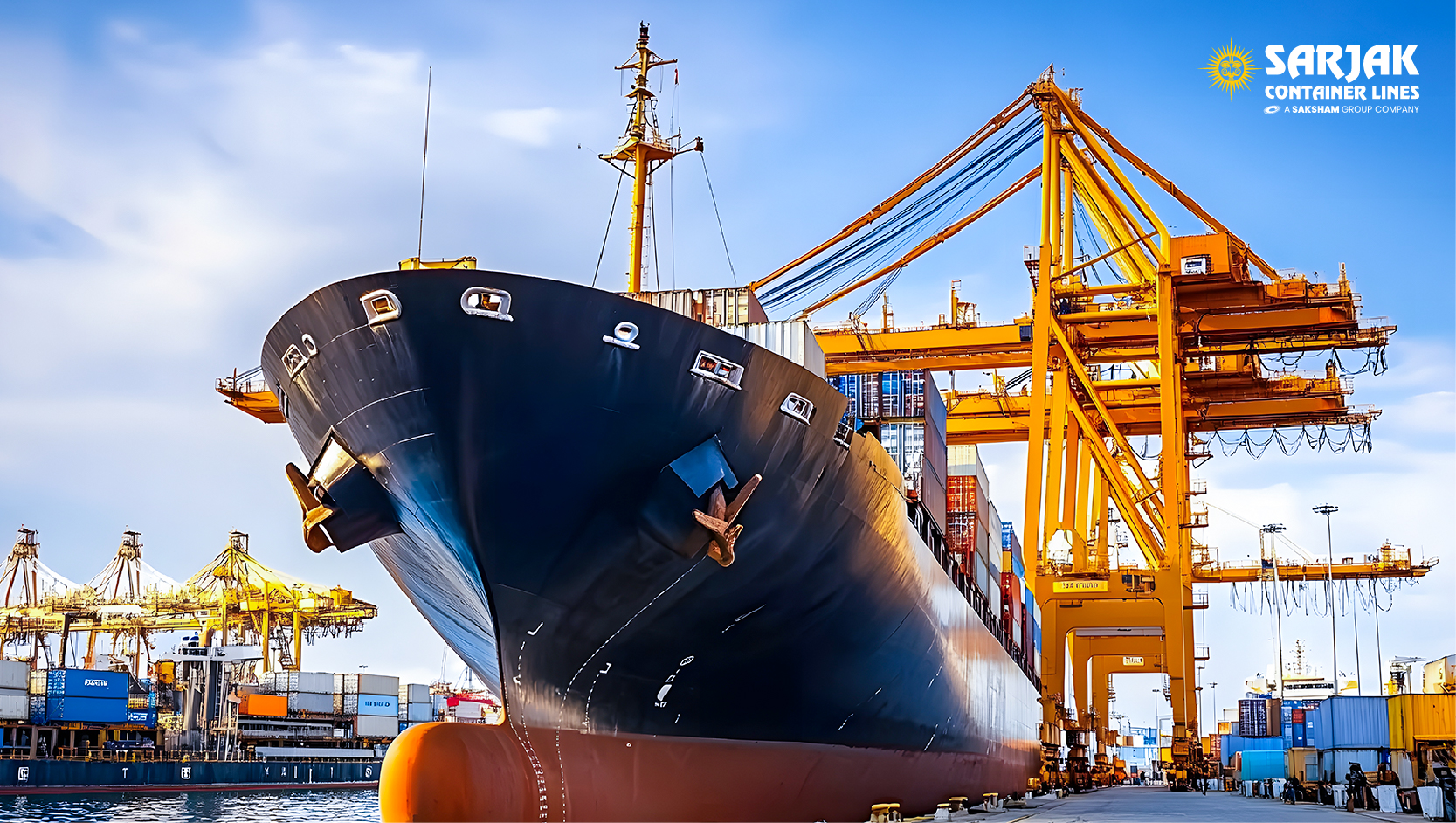
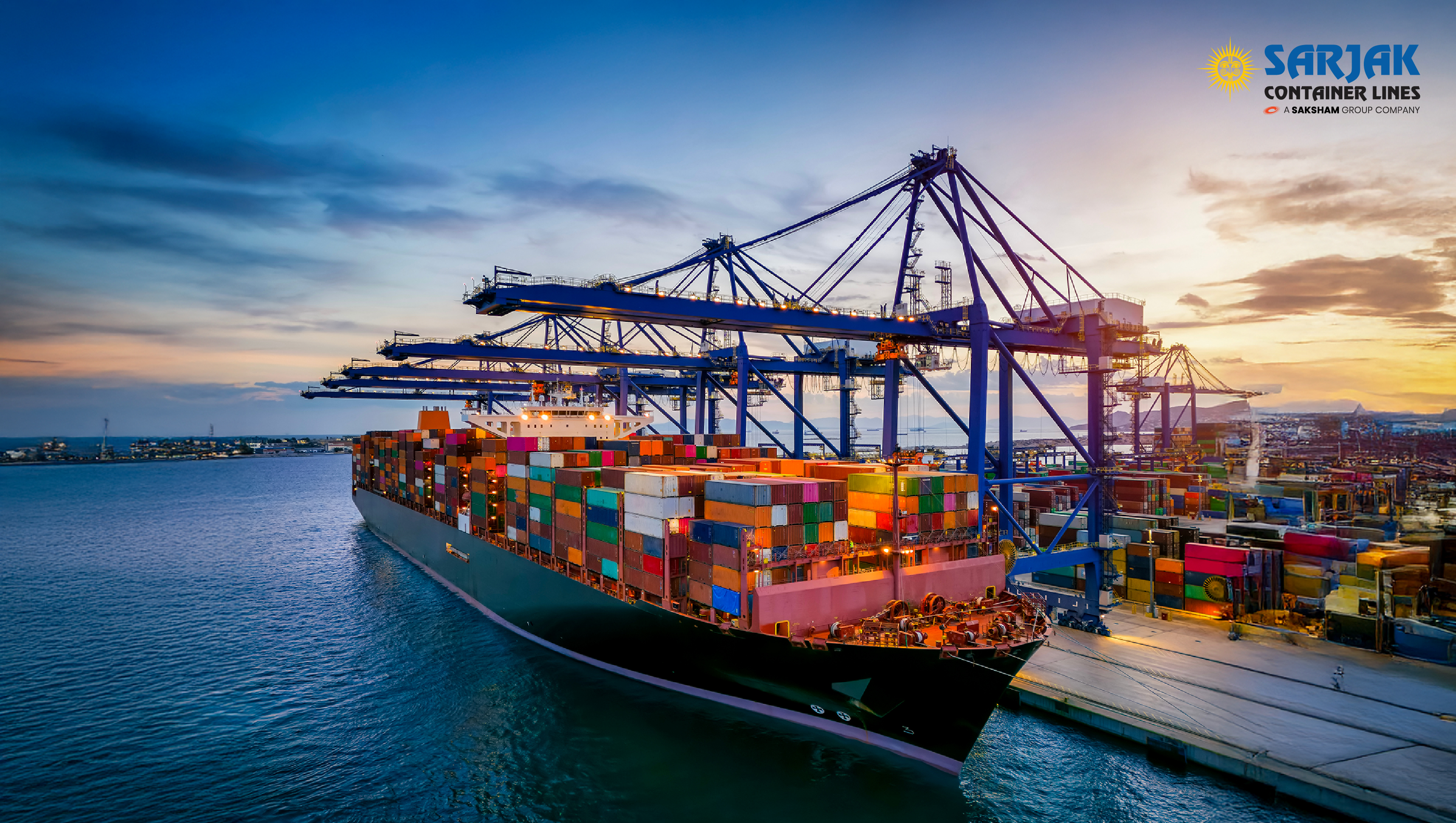
Among all vessels, container ships are the most common. But there’s not just one kind, the types of container ships vary based on route and volume:
| Container Ship Type | Capacity Range (TEU) | Where They’re Used |
| Feeder (Small) | 100–3,000 | Short regional routes, inland ports |
| Panamax | ~5,000 | Built to pass through the Panama Canal |
| Post-Panamax | 5,000–10,000 | Cannot pass the old Panama Canal |
| Neo-Panamax | Up to 14,000 | Uses expanded Panama locks |
| Ultra-Large (ULCV) | 14,000+ | Major Asia–Europe trade routes |
These types of container ships have different numbers of container bays, stack heights, and widths, all of which determine how cargo is loaded and secured.
Also Read: Containerised Cargo Explained: Types, Uses, and Benefits
How vessel space is structured
So, what exactly is vessel space?
In simple terms, it’s the usable volume within a vessel where cargo is stored, and how that space is divided and accessed.
Key areas include:
- Cargo holds – large enclosed compartments below deck, often separated by bulkheads
- Deck space – used for oversized, heavy, or hazardous cargo
- Tanks – built into the structure of tankers for liquid cargo
- Cell guides – vertical structures in container ships that lock containers into place
Fun fact: Misusing vessel space can throw off a ship’s balance and even endanger safety at sea.
Smart use of types of vessel space in shipping
Planning how to use different types of vessel space in shipping is like solving a puzzle. Planners consider:
- Cargo dimensions and weight – Some cargo is long, some is heavy, some is both!
- Stability – Heavier items go low, lighter ones go on top for balance
- Destination order – Items for earlier ports go on top or near the doors
- Hazard classification – Flammables or corrosives must be isolated
Shipping lines use specialised software that creates digital load plans to ensure every square metre of space is used without compromising safety.
Special case: heavy lift vessel space planning
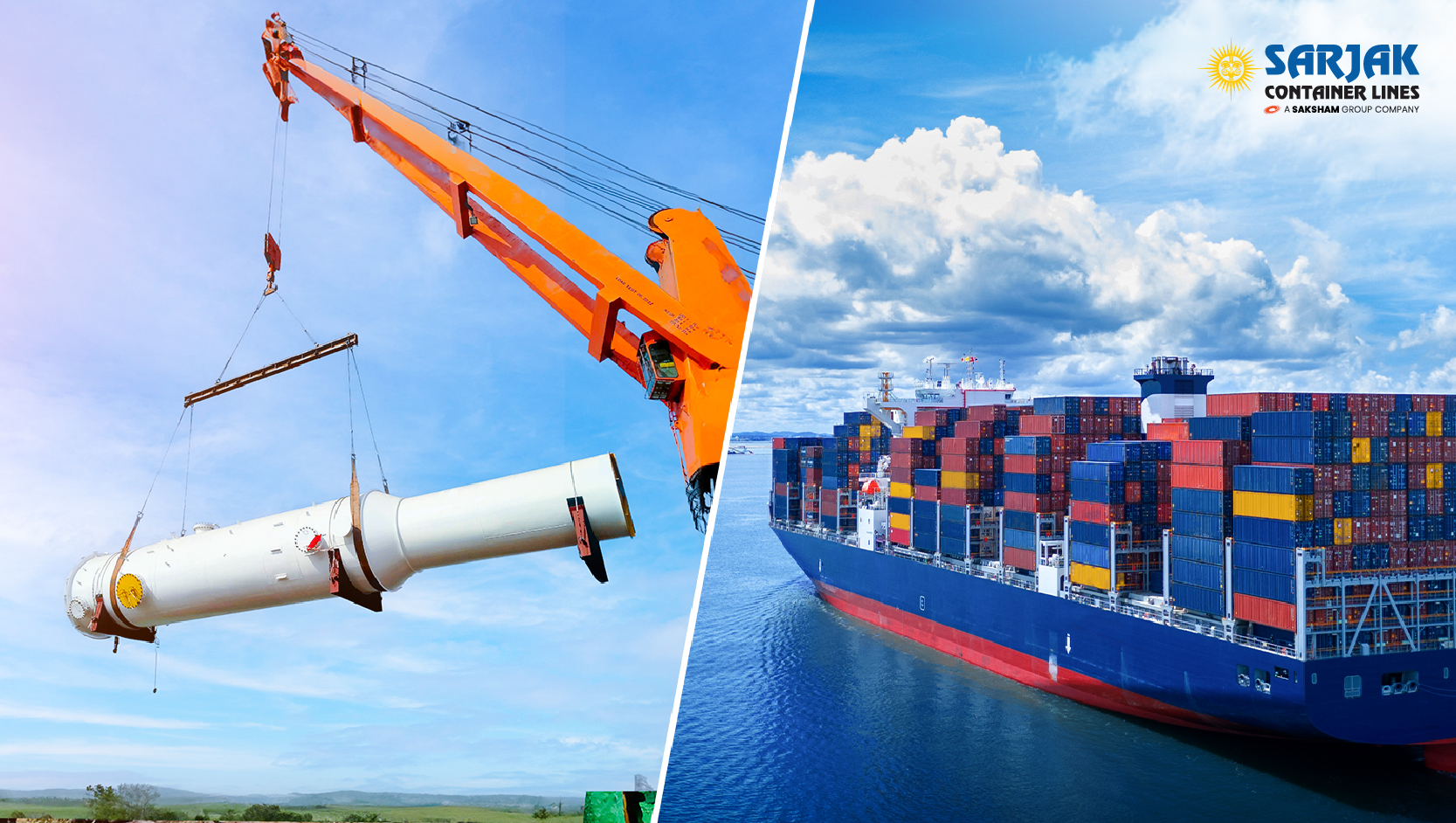
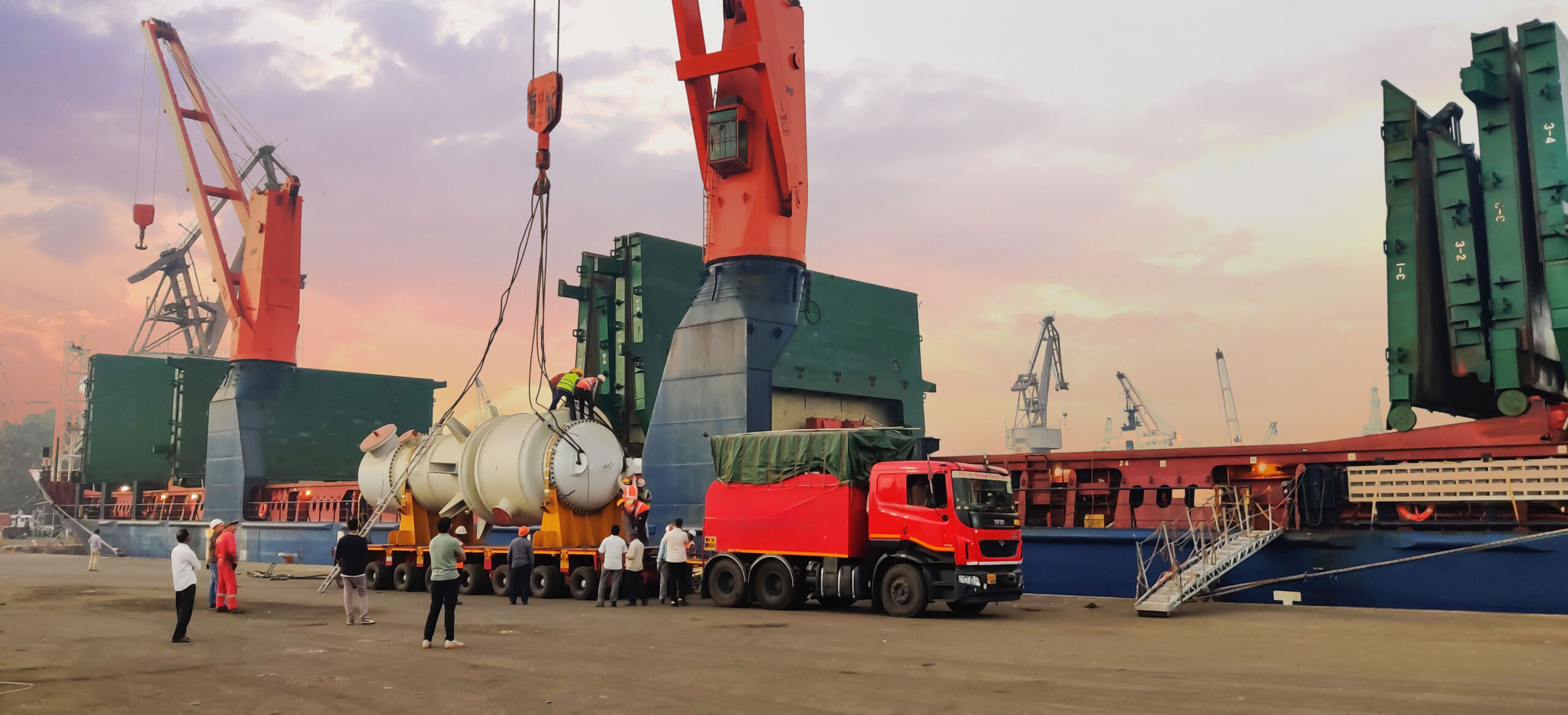
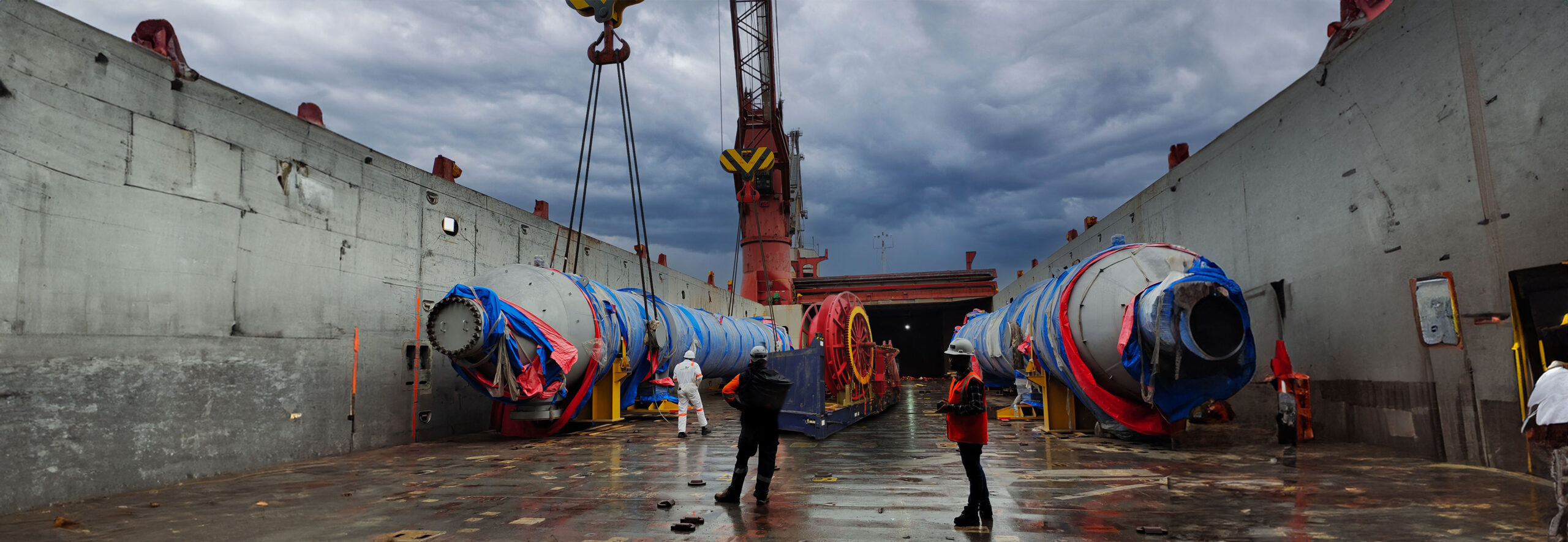
Heavy lift vessel space planning is a science of its own.
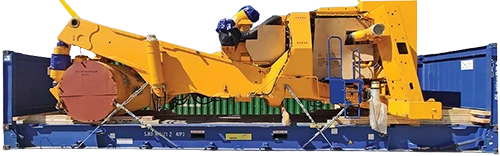
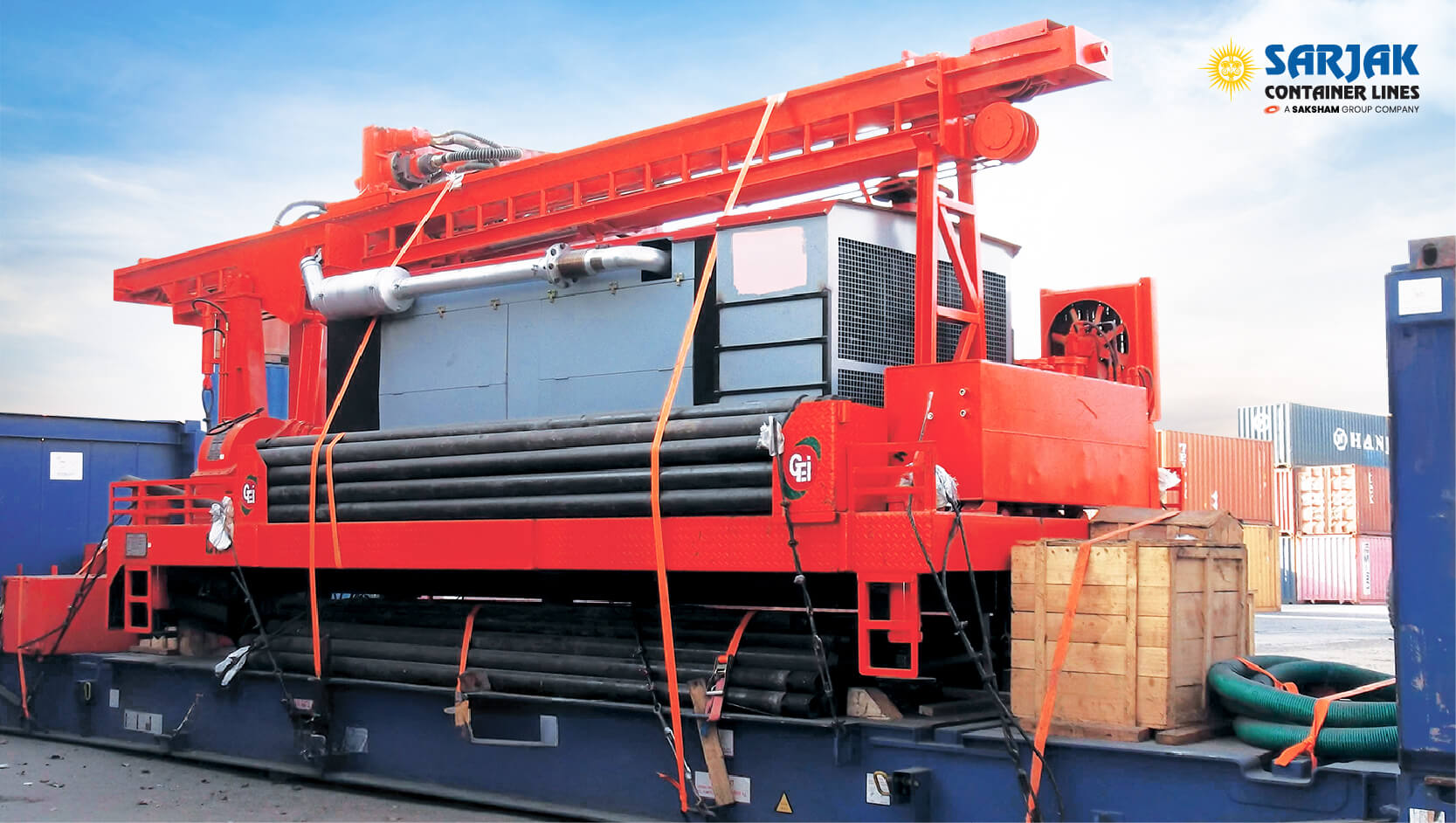
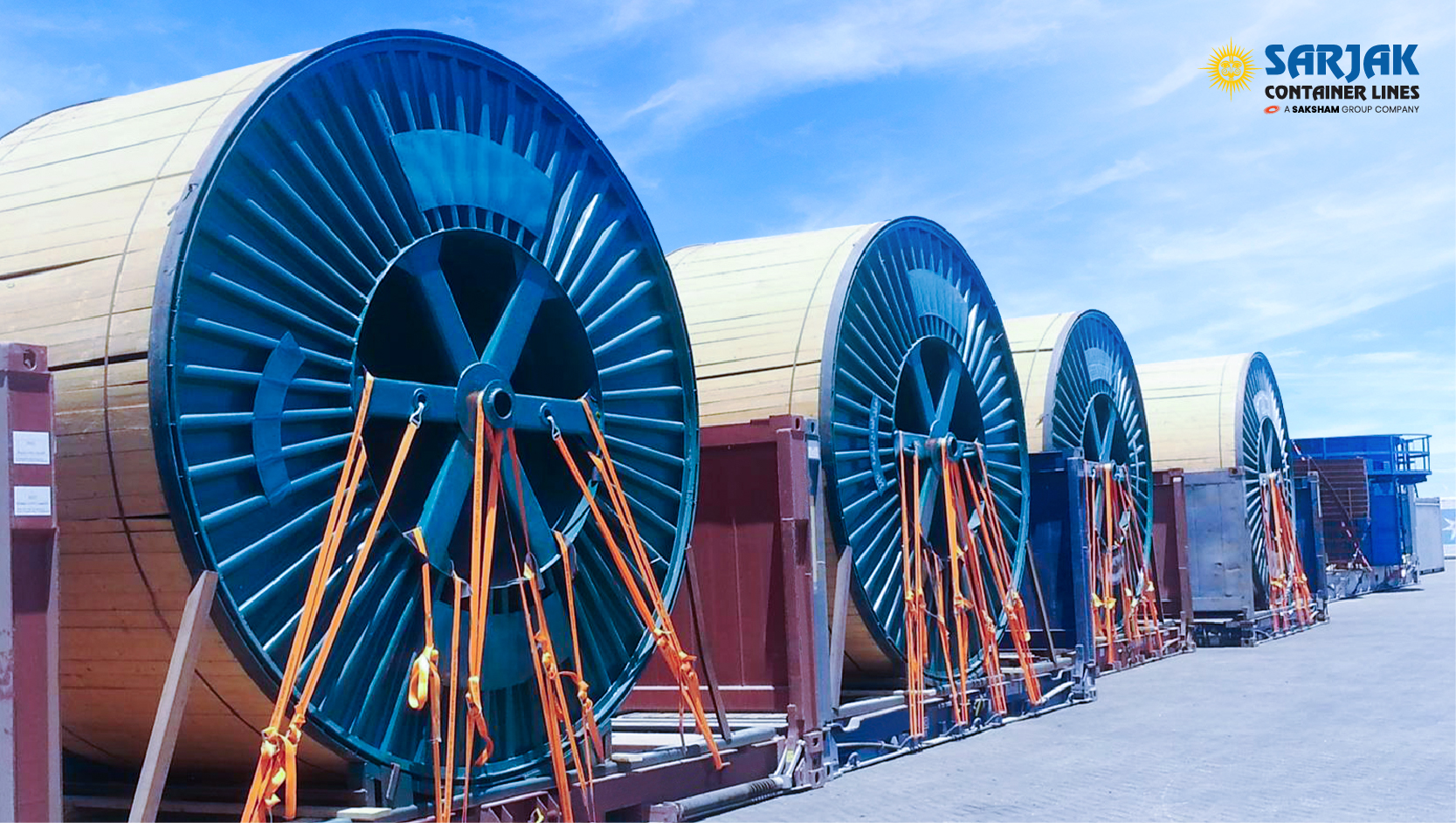
These vessels carry one-of-a-kind cargo, like wind turbine blades, reactors, or even other ships.
What’s different?
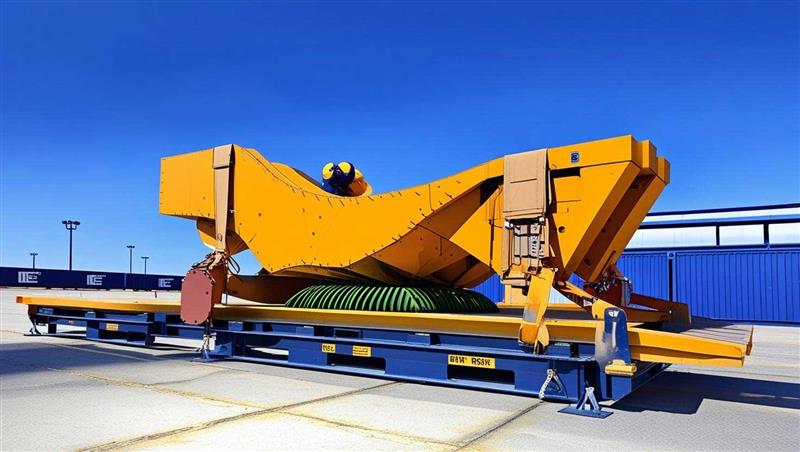
- Custom-engineered cradles to hold cargo without damaging it
- Ballast adjustments to stabilise the ship during uneven loading
- Deck reinforcements for handling immense weights
- Onboard cranes with high lifting capacity
In this case, planning isn’t just about fitting things; it’s about making sure the vessel doesn’t tip, crack, or collapse under pressure.
Final Thoughts
The world of shipping is more than just boats on water. It’s about precision, understanding the right types of vessels, knowing the characteristics of cargo vessel types, selecting the right types of container ships, and planning the best use of vessel space.
Whether it’s a few pallets of textiles or a hundred-tonne transformer, every piece of cargo needs to be placed just right. And with the right planning, even the most complex shipping puzzle can be solved.