What is a containerised cargo?
It refers to goods that are transported using standardised shipping containers, which are built for easy handling, stacking, and secure transit across different transport modes, ships, trucks, and trains. These units are typically made of steel or aluminium, conform to ISO specifications, and offer sealed protection for a variety of commodities.
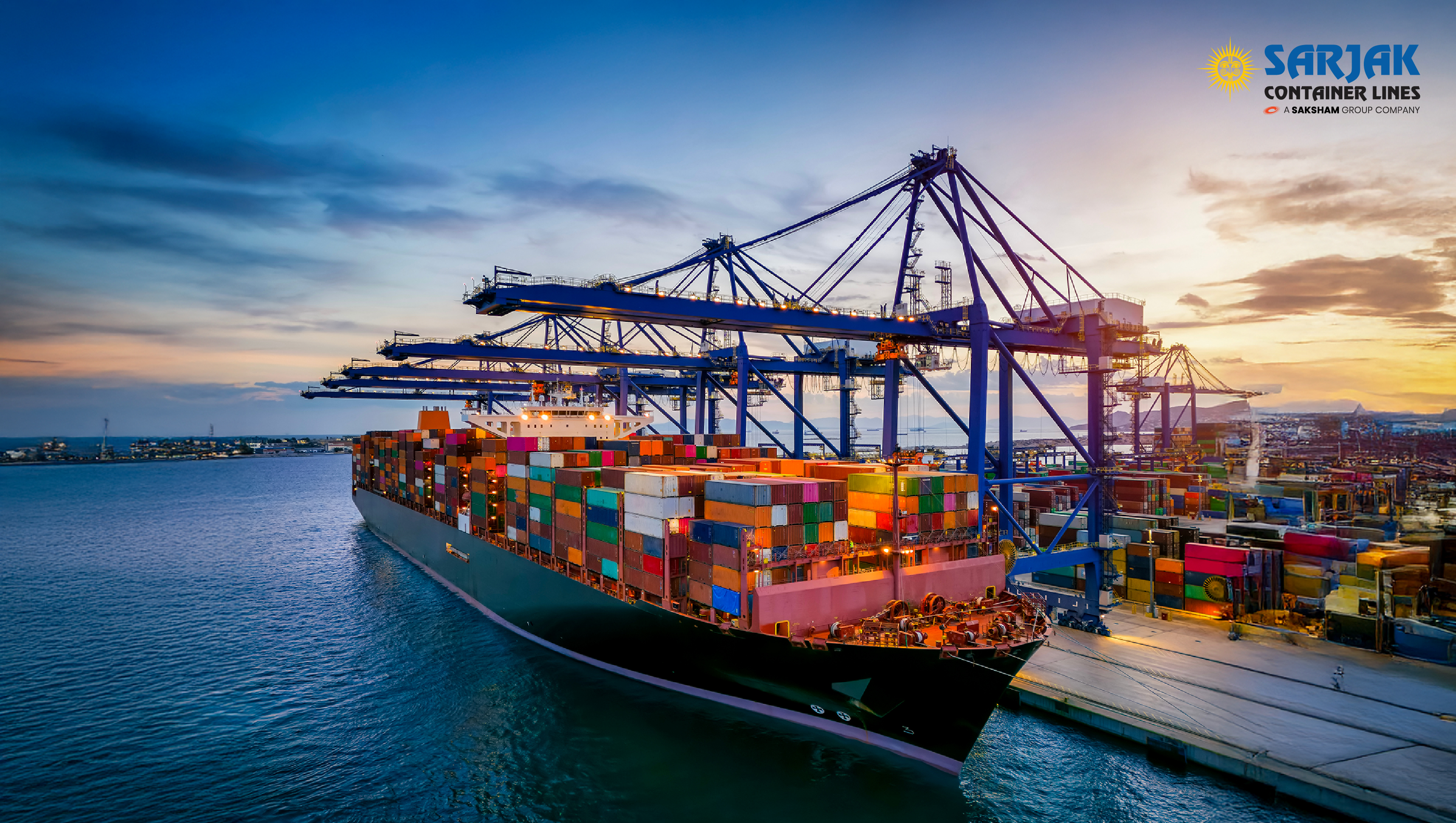
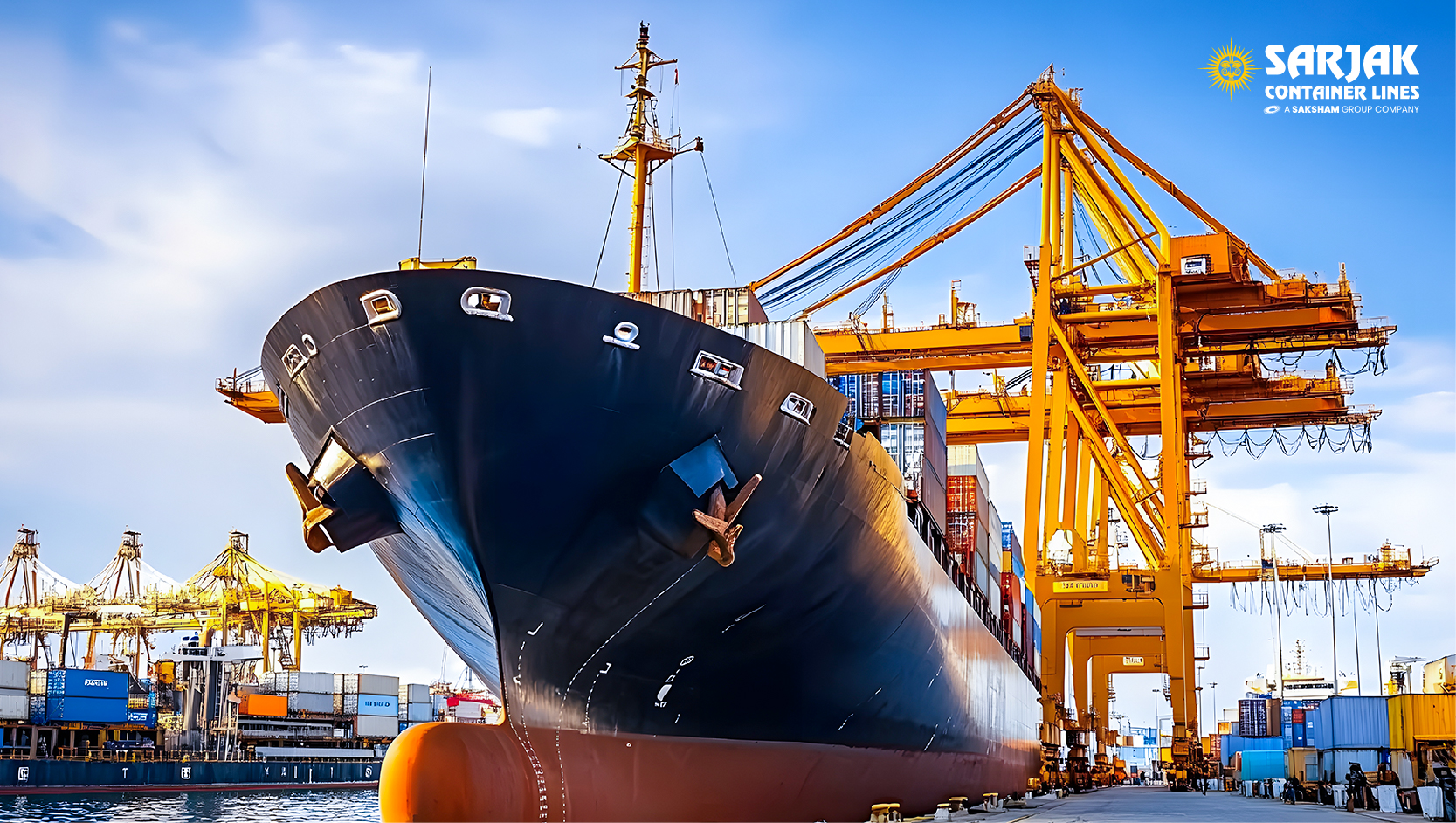
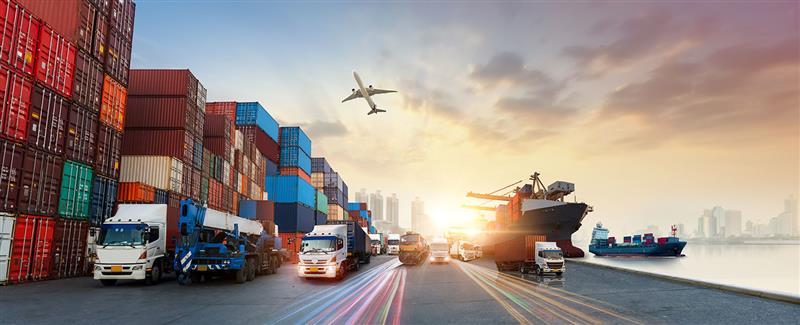
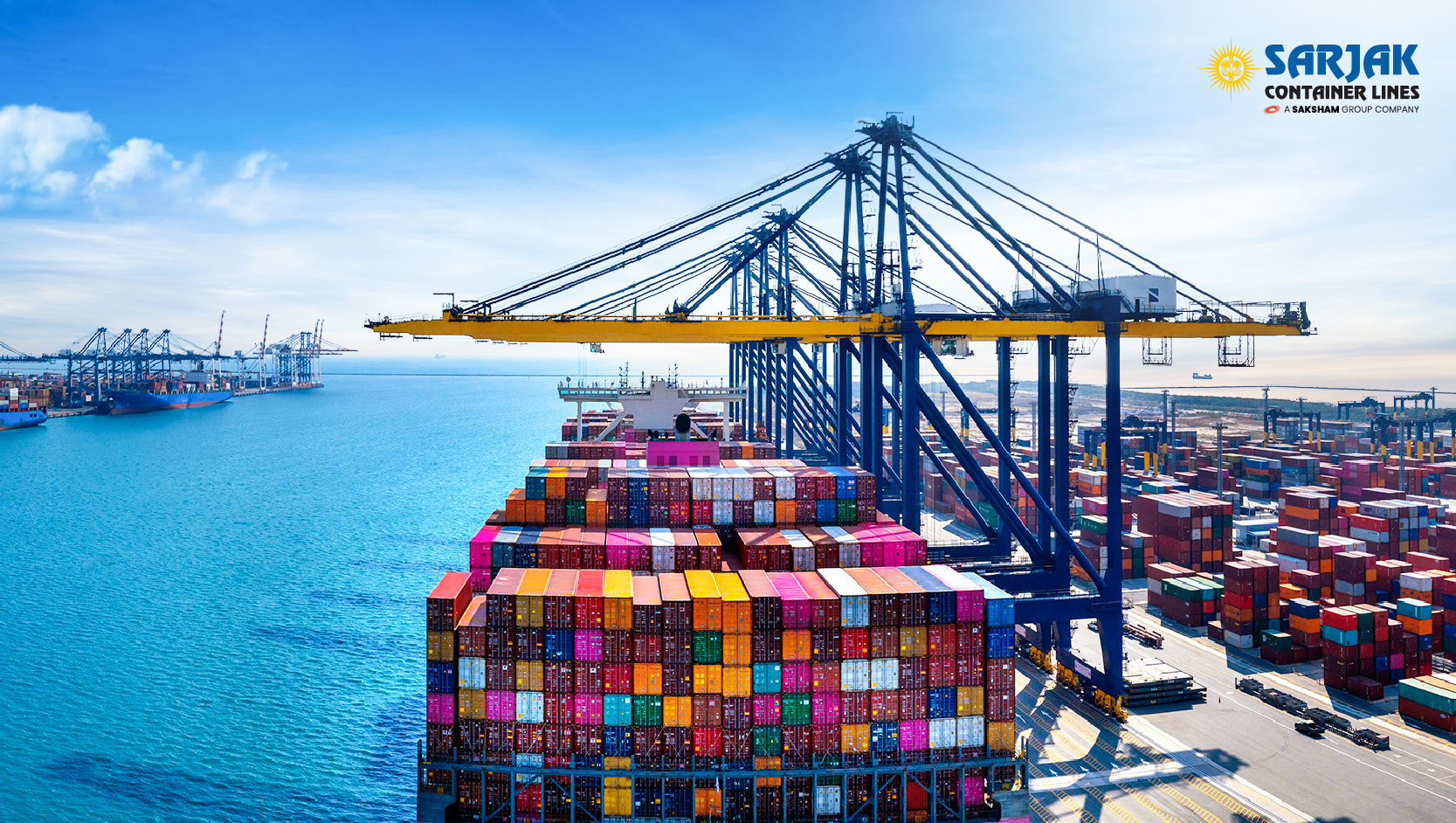
The use of containerised cargo has become the backbone of global trade, enabling the safe and efficient movement of both raw materials and finished products across long distances.
The concept of containerisation
The concept of containerisation is a logistics innovation that transformed maritime and intermodal transport in the mid-20th century. Before containers, cargo was loaded and unloaded manually in break-bulk form, a time-consuming and risk-prone process. Containerisation introduced a modular unit that could be transferred between modes without unpacking the cargo inside.
This system streamlined logistics by:
- Reducing manual handling at ports
- Standardising shipment sizes
- Minimising delays and theft
- Supporting economies of scale in global trade
Standard ISO containers typically come in 20-foot and 40-foot variants, although many specialised formats also exist depending on the cargo requirements.
Types of containers used in global shipping
Understanding the various types of containers is crucial for logistics planning and cargo optimisation. Different goods require different handling, environmental conditions, and spatial configurations. Below is a breakdown of the primary container types used worldwide:
| Container Type | Key Features | Best Used For |
| Dry Storage Container | Standard ISO box (20ft or 40ft), weatherproof, enclosed | General cargo, non-perishable consumer goods |
| High Cube Container | Taller than standard (usually by 1 foot), allows for more vertical space | Light, voluminous goods like furniture or textiles |
| Refrigerated Container (Reefer) | Equipped with cooling units to maintain fixed temperature range | Perishable items: food, pharma, florals |
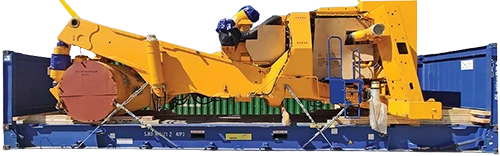
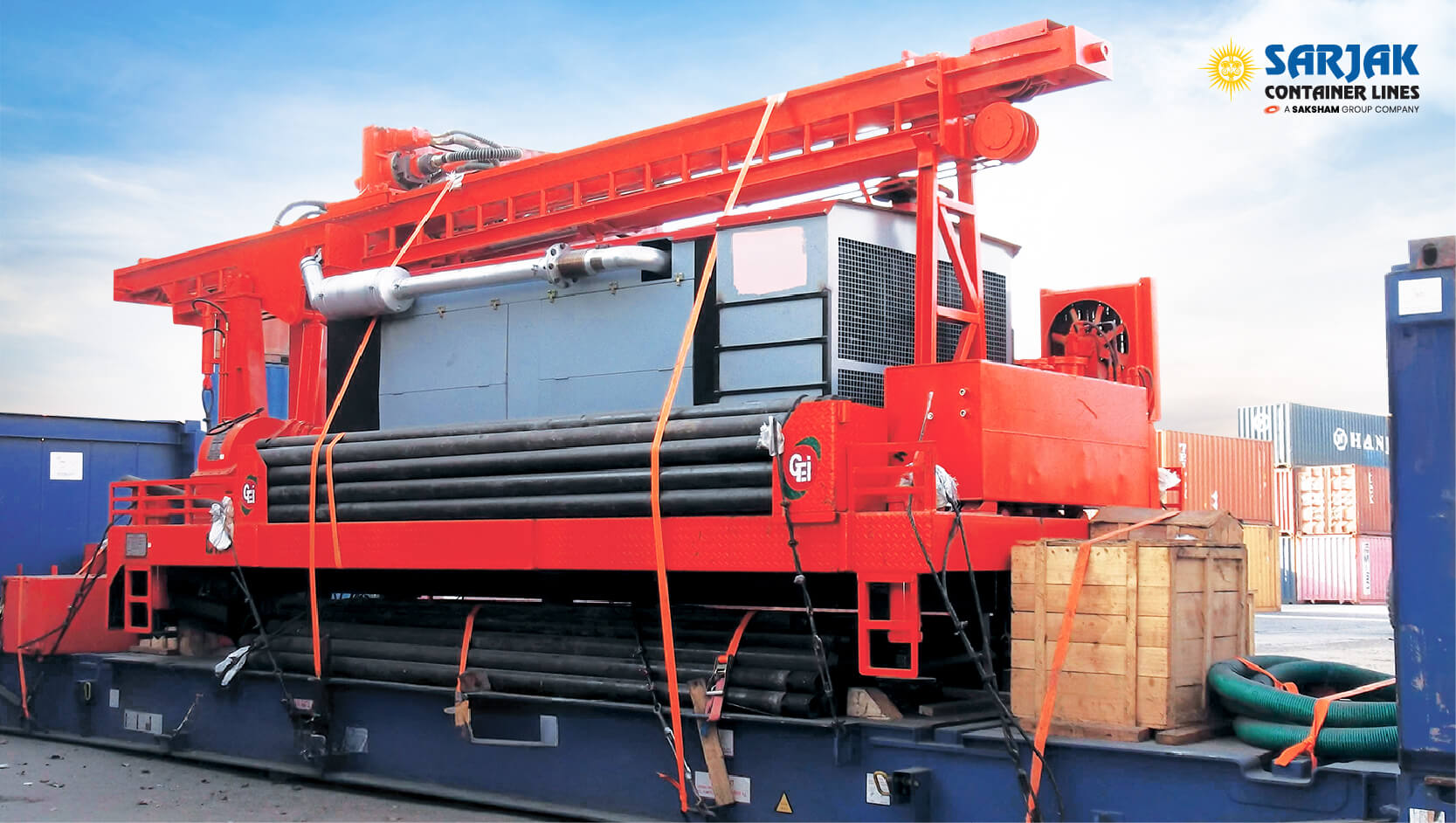
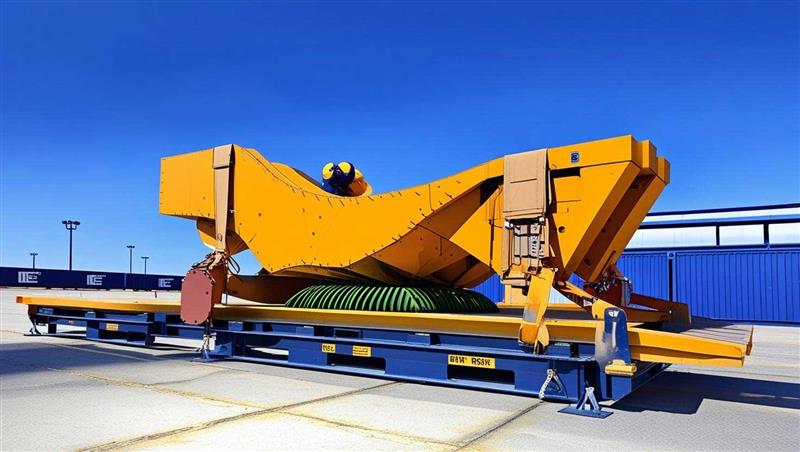
| Flat Rack Container | No side walls, collapsible ends | Heavy machinery, vehicles, construction equipment |
| Open Top Container | No solid roof; cargo is loaded from above with crane | Tall cargo or items loaded via overhead equipment |
| Tank Container | Cylindrical tank in a frame; designed to carry liquids and gases safely | Chemicals, oil, wine, dangerous goods |
Choosing the right container improves cargo safety, reduces cost, and aligns with port and customs protocols.
Key uses of containerised cargo
Containerised cargo transportation is used across virtually every major industry. Its modularity and compatibility with various cargo types make it ideal for transporting the following:
- Retail and consumer goods: Clothing, electronics, toys, and packaged foods are shipped globally using dry containers.
- Temperature-sensitive items: Pharmaceuticals, dairy, frozen foods, and fresh produce rely on reefer containers to maintain integrity.
- Bulk liquids: Chemicals, edible oils, and beverages are moved using tank containers.
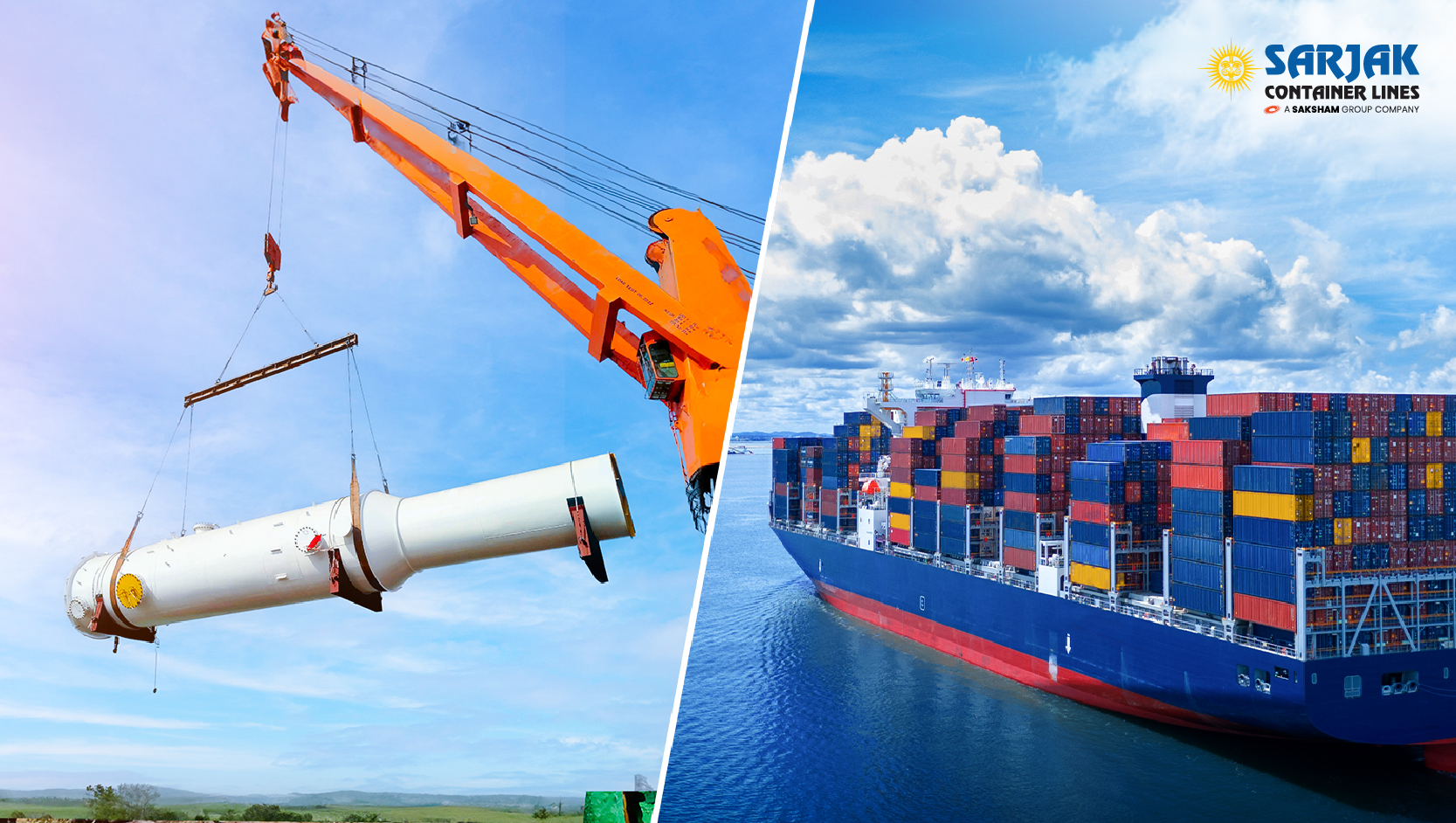
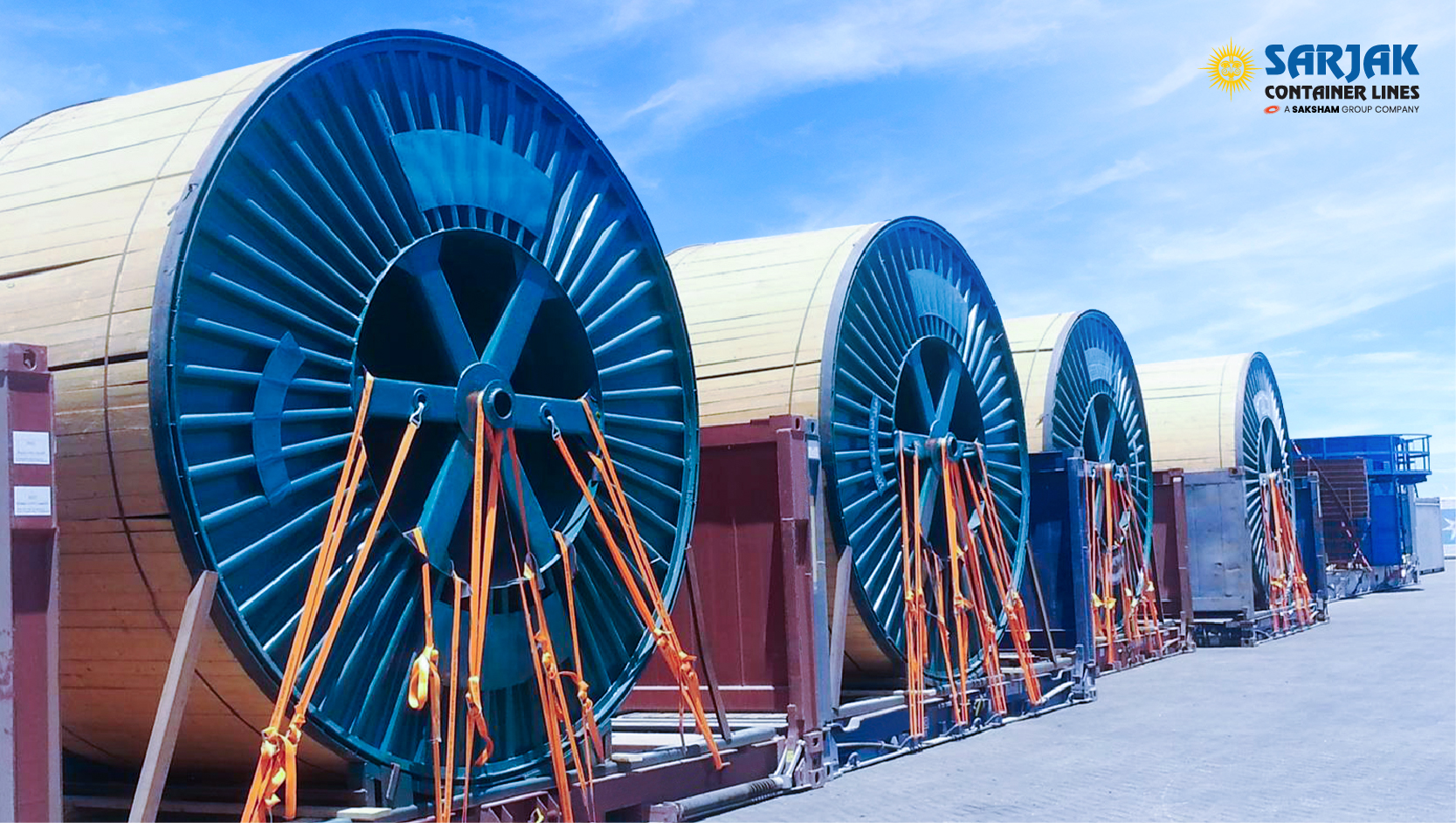
- Machinery and industrial parts: Odd dimensional & oversized equipment is often shipped using flat racks or open tops.
- Speciality commodities: Items requiring low oxygen or specific airflow may be moved in ventilated containers.
The versatility of containerised shipping supports high-frequency lanes (e.g., Asia–Europe), low-volume regional trade, and time-sensitive goods.
Advantages of containerised cargo transportation
There are multiple strategic reasons why supply chain managers favour containerised cargo transportation. These go beyond cost and touch on risk mitigation, process efficiency, and traceability.
a) Intermodal Efficiency
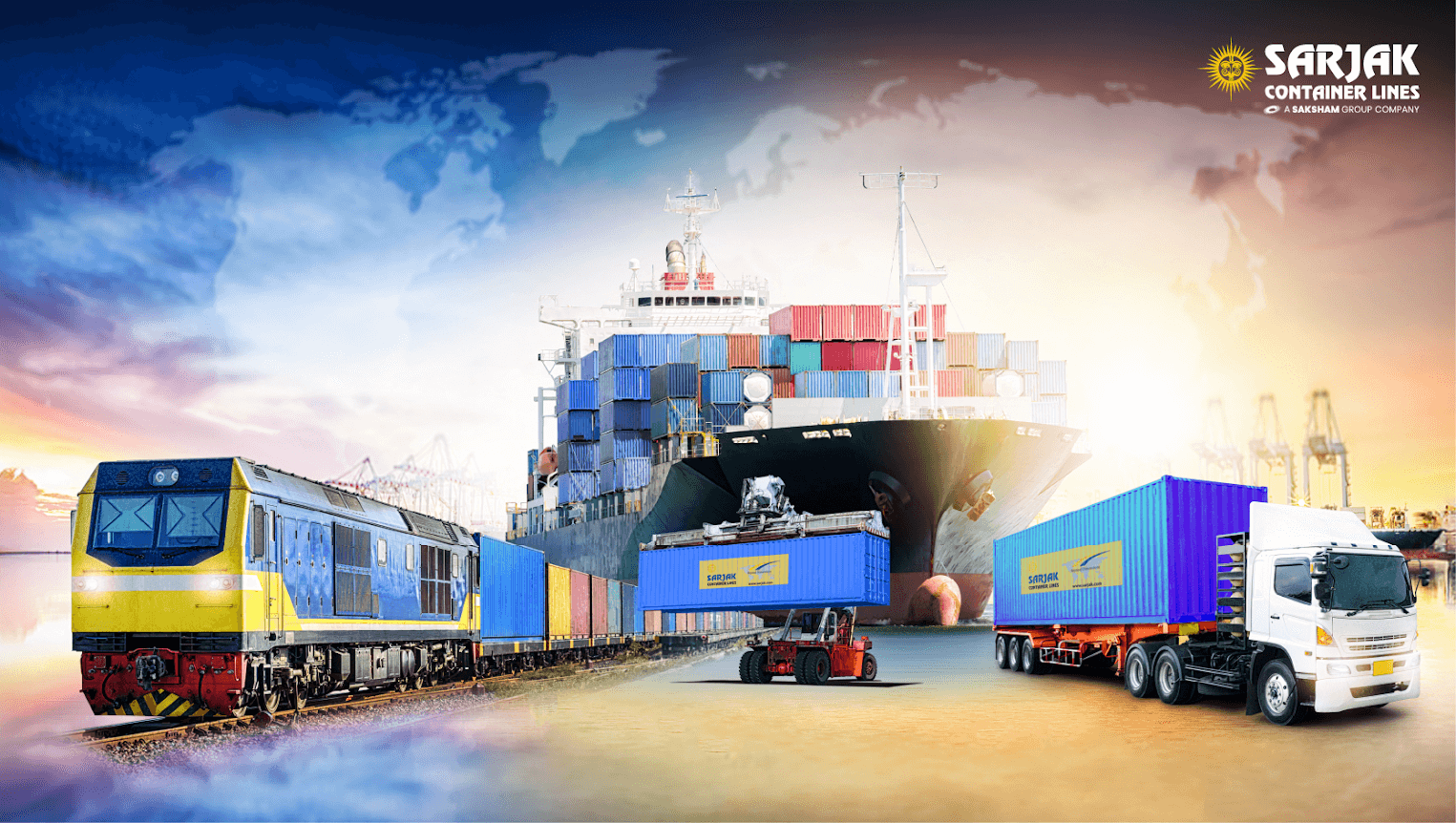
Containers allow for seamless transitions between sea, rail, and road without repackaging. This ensures faster delivery times and reduced manual labour.
b) Security and Safety
Goods inside sealed containers are less vulnerable to theft, pilferage, or tampering. Containers also protect against weather, salt, and moisture.
c) Cost-Effectiveness
Bulk shipping of containerised loads reduces per-unit transport costs, particularly when operating under FCL (Full Container Load) contracts.
d) Environmental Impact
Consolidated shipping reduces fuel usage and carbon emissions, especially when containers are routed through optimised multimodal paths.
e) Scalability
The uniform dimensions of containers simplify stacking, space optimisation, and automated handling at ports and warehouses.
f) Cargo Integrity and Traceability
Integrated digital systems, like RFID and GPS, allow for real-time tracking, reducing the chances of lost or delayed shipments.
Difference between containerised cargo and bulk cargo
Understanding the difference between containerised cargo and bulk cargo helps determine the right shipping mode based on product type, volume, and handling requirements.
| Aspect | Containerised Cargo | Bulk Cargo |
| Form of Shipment | Packaged and sealed in containers | Loose and unpackaged |
| Handling | Handled using cranes, forklifts, container spreaders | Requires specialised equipment like grabs, pumps, conveyors |
| Product Types | Electronics, textiles, pharmaceuticals, machinery | Grains, coal, cement, ores, crude oil |
| Flexibility | Suits small-to-medium diversified shipments | Suits single, large-volume commodities |
| Risk and Damage | Lower, as containers are sealed | Higher risk due to exposure and manual handling |
| Documentation & Customs | Simplified due to standard units and electronic tracking | Requires complex procedures, often port-specific |
In short, containerized cargo is ideal for diversified, high-value or sensitive items, whereas bulk cargo fits the profile of low-cost, homogeneous goods moved in large quantities.
Conclusion
As global trade continues to scale, the role of containerised cargo becomes even more critical in ensuring the timely, safe, and efficient delivery of goods across continents. The standardisation of types of containers, combined with technological advancements in freight handling, has enabled logistics companies to optimise space, costs, and transit times.
Understanding the concept of containerisation, its practical applications, and the difference between containerized cargo and bulk cargo empowers decision-makers to make informed choices for their supply chain.
Containerisation is not just a method; it is a foundational pillar of modern logistics infrastructure. Whether for cross-border e-commerce or industrial-grade supply chains, it continues to redefine how the world moves goods.