






As businesses expand their markets and source materials worldwide, the question of how to move goods efficiently becomes increasingly important.
Whether you’re transporting standard goods or managing complex project logistics, choosing the right mode of shipment can impact cost, timelines, and risk. Among the many choices available, two prominent methods stand out: breakbulk shipping and container shipping.
Understanding the difference between container and breakbulk isn’t simply about the size of your cargo, it’s about choosing the most practical, cost-effective, and secure method to ensure your shipment arrives safely and on time. In this guide, we’ll explore both options in depth, highlight their unique advantages, and help you decide which suits your business best.
What is Breakbulk Shipping?
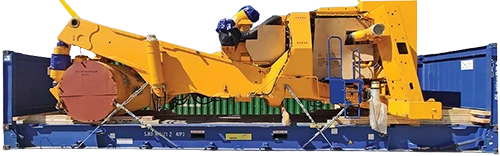
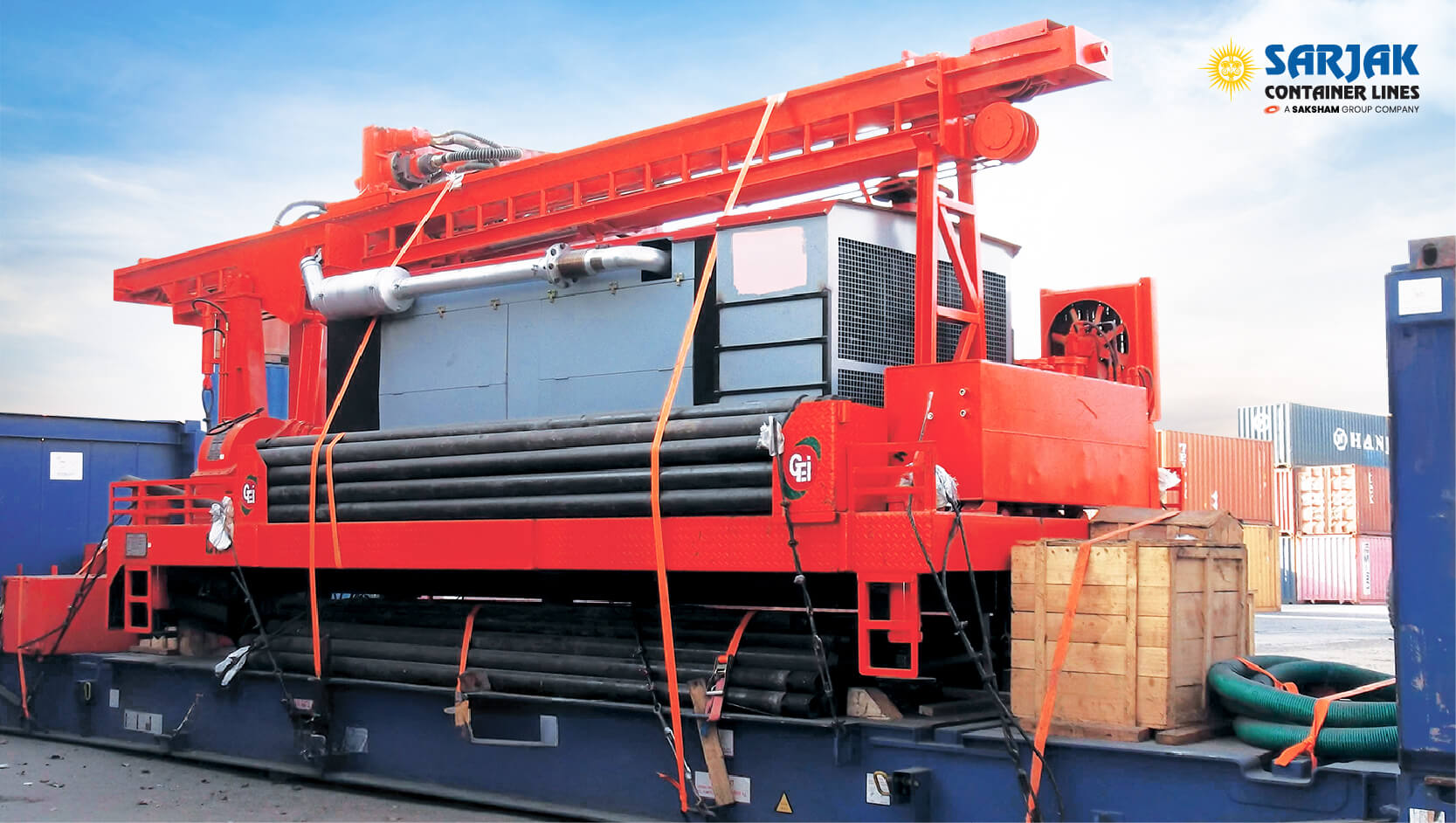
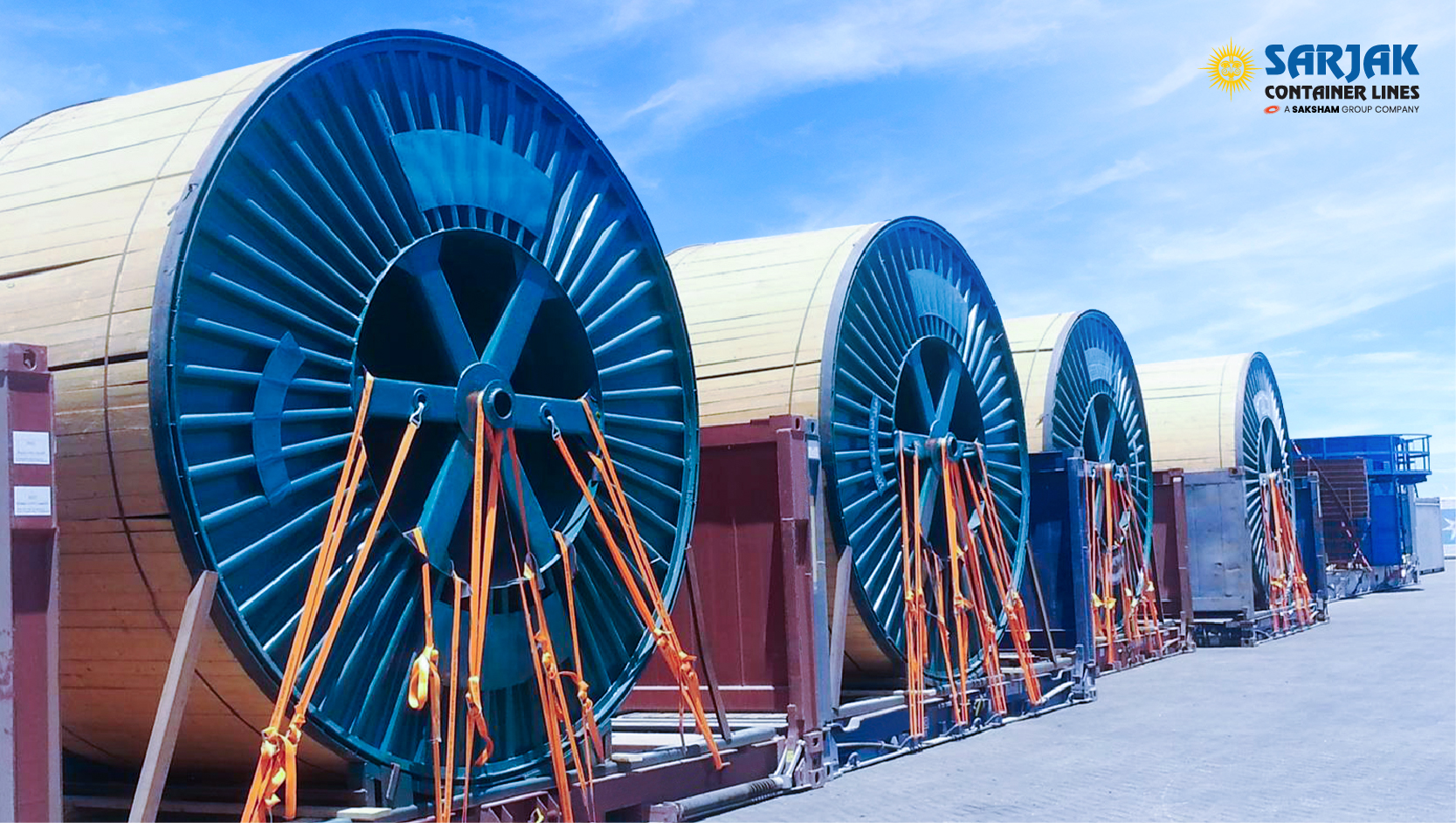
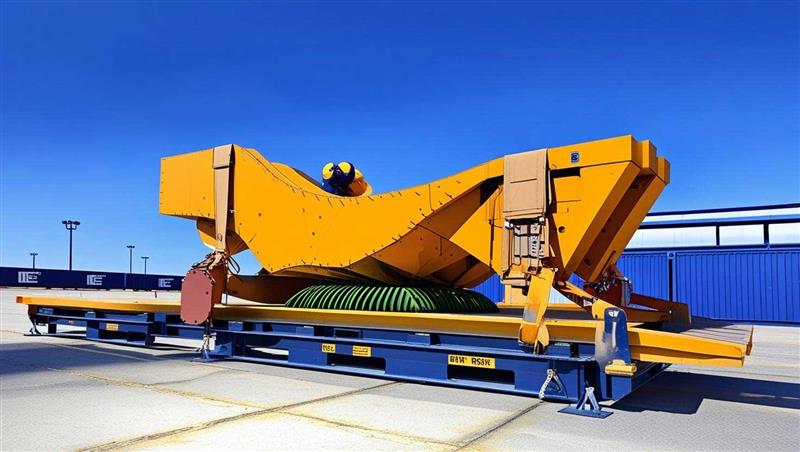
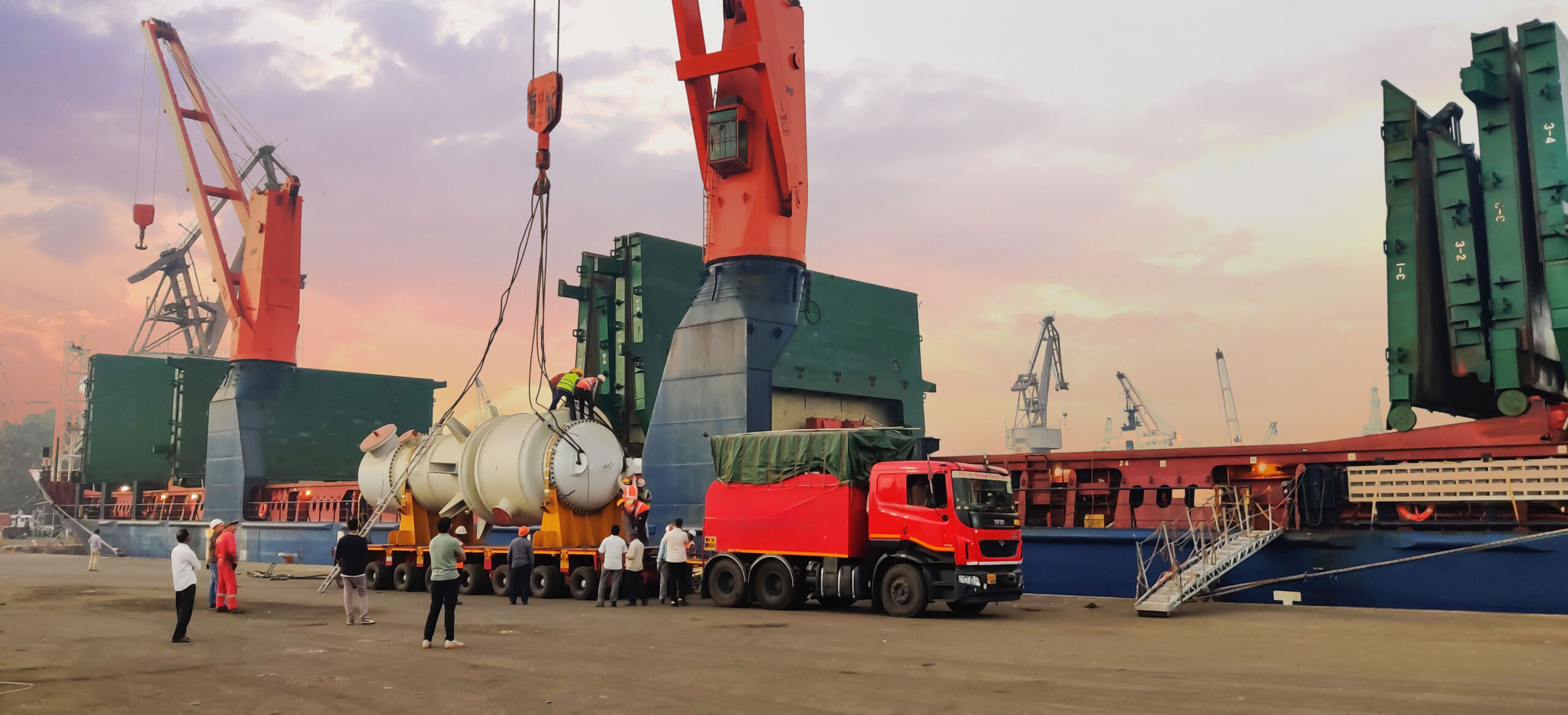
Breakbulk shipping (sometimes called general cargo shipping) refers to the transportation of goods that cannot be containerised due to their size, weight, or shape. Instead of being packed into containers, the cargo is loaded individually onto the vessel,often using cranes, slings, or other specialised handling equipment.
Typical examples of breakbulk cargo include:
- Large industrial machinery
- Wind turbine blades and components
- Oil and gas equipment
- Heavy construction materials
- Steel beams and pipes
- Generators and transformers
Since these items are often heavylift or oversized loads, breakbulk shipping requires meticulous planning, customised equipment, and skilled personnel to ensure the cargo is properly secured during transit.
What is Container Shipping?
Container shipping is the most common method of global cargo movement, accounting for the majority of international trade. In this system, goods are loaded into standardised containers, typically 20-foot or 40-foot units,that can easily be transferred between ships, trucks, and trains.
The rise of container transportation revolutionised the shipping industry by offering:
- Uniform packaging and easy stacking
- Faster loading and unloading at ports
- Minimal manual handling, reducing the risk of damage
- Enhanced cargo security and protection from weather
- Seamless intermodal movement across sea, rail, and road
Container shipping is ideal for a wide variety of products, including consumer goods, electronics, textiles, automotive parts, and packaged food products.
Key Differences Between Breakbulk and Container Shipping
While both methods serve to move goods across borders, the difference between container and breakbulk lies in their handling, cargo types, cost structures, and operational complexities. Here’s a detailed comparison:
| Aspect | Breakbulk Shipping | Container Shipping |
| Cargo Type | Heavy, oversized, irregular-shaped cargo | Standardised, packaged, palletised goods |
| Handling | Individual loading with cranes, slings, and specialised equipment | Loaded into containers, handled with cranes or forklifts |
| Speed of Loading | Slower due to complexity | Faster, more streamlined |
| Risk of Damage | Higher due to exposure and manual handling | Lower as goods are enclosed and secure |
| Weather Protection | Exposed unless covered with tarps or shrink wrap | Fully protected inside containers |
| Infrastructure Needs | Requires specialised port facilities | Can be handled at most major ports worldwide |
| Cost Efficiency | Higher per unit, but necessary for certain cargo | Lower per unit for standardised goods |
| Flexibility | High for non-standard items | Limited to container dimensions |
Understanding these differences allows shippers to evaluate not just cost but also the safety, reliability, and practicality of each option.
When to Use Breakbulk Shipping Over Containers
Choosing when to use breakbulk shipping over containers often comes down to the physical characteristics of the cargo:
- Size Matters: When cargo qualifies as ODC (Over-Dimensional Cargo), whether due to extreme length, height, weight, or sheer quantity, breakbulk shipping often becomes the most viable option. This is especially true when cargo cannot be disassembled or configured to fit within container limits.
- Fragility or Irregular Shape: Items that are too fragile or oddly shaped to fit efficiently into containers benefit from the customised handling that breakbulk shipping offers.
- Single Large Components: Industries like energy, construction, mining, and manufacturing frequently produce single components that simply cannot be disassembled to fit into containers.
However, it’s worth noting that while breakbulk shipping offers flexibility, it also requires careful planning, precise handling, and often, higher costs compared to container transportation.
Choosing the Right Shipping Solution
The choice between breakbulk vs container shipping is not always clear-cut. Several factors must be considered:
- Nature of Cargo: The physical properties of the cargo are the primary determinant.
- Cost and Budget: Containerisation is generally more cost-effective for standard cargo. Breakbulk can incur additional expenses due to specialised equipment and handling.
- Timeline: Container shipments usually offer faster turnaround and better scheduling due to standardisation.
- Port Capabilities: Not all ports are equipped to handle breakbulk shipping; however, most can handle container shipping with ease.
- Risk Management: Enclosed containers offer superior protection against weather and theft.
A thorough analysis of these factors, often in consultation with experienced logistics partners, ensures businesses select the method best aligned with their operational and financial goals.
Partnering with Sarjak Container Lines
At Sarjak Container Lines, we understand that every shipment is unique. Whether your cargo requires the precision and security of container shipping, or the specialised handling of breakbulk shipping, we offer tailored solutions backed by global expertise.
With our extensive fleet, specialised equipment, and network of port partnerships, we simplify even the most complex shipping challenges, helping businesses navigate the intricacies of global trade with confidence and efficiency.
Get in touch with us at projects@sarjak.com to discuss your shipping needs. Our team of experts will guide you through every step, ensuring your cargo reaches its destination safely, securely, and on schedule.